
Evening Routine for Deep Relaxation and Better Sleep
In a world that rarely slows down, the way we end our day matters more than we think.
Sleep doesn’t begin the moment we close our eyes — it starts with how we prepare our body and mind in the hours leading up to it. If the nervous system is still activated, overstimulated, or tense, falling into deep, restorative sleep becomes much harder.
An intentional evening routine can help signal to your body that it’s safe to unwind, soften, and let go.
This isn’t about adding more to your schedule. It’s about creating space for transition — from doing to being.
Why an Evening Routine Matters
Throughout the day, your nervous system is constantly responding to stimuli — work, screens, conversations, noise, movement.
Without a conscious transition, your body can carry that activation into the night.
A simple, consistent routine helps:
Shift the body into a parasympathetic (rest & digest) state
Lower stress levels
Improve sleep quality
Create a sense of grounding and stability
The key is not perfection, but repetition.

1. Create a Clear “Wind-Down” Moment
Choose a time in the evening where you consciously begin to slow down — ideally 30 to 60 minutes before sleep.
This can be as simple as:
Turning off bright lights
Closing your laptop
Stepping away from stimulating activities
Think of it as a gentle boundary between your active day and your restful night.
2. Reduce Stimulation
Your environment directly affects your nervous system.
In the evening, aim to reduce:
Screen exposure (or use warm light settings)
Loud noises or intense conversations
Bright, artificial lighting
Instead, create a softer atmosphere:
Dim lights or use candles
Play calm music or silence
Keep your space uncluttered
Small changes can create a big shift in how your body feels.
3. Slow Down the Body
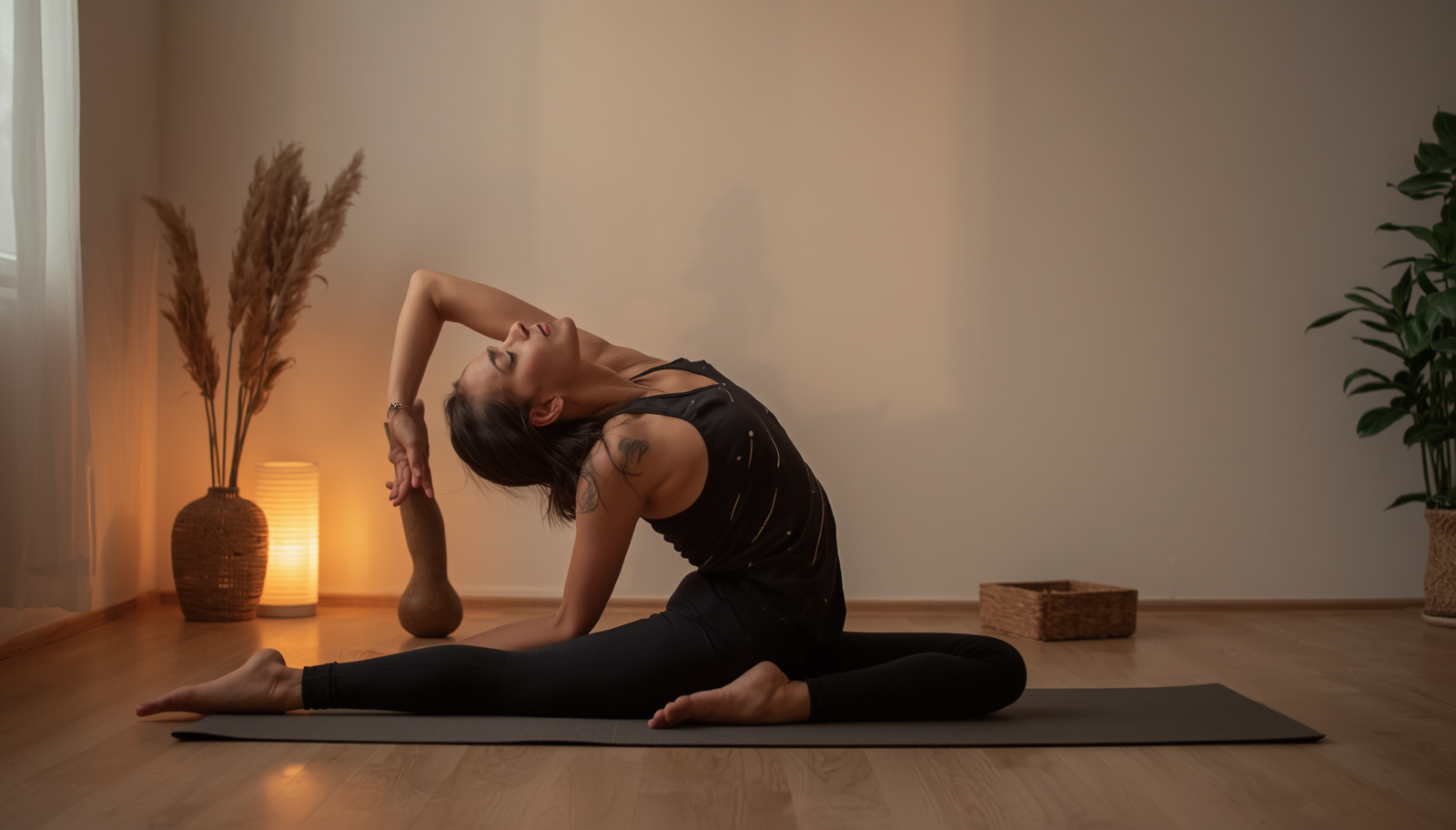
The body often holds onto the pace of the day. Gentle movement can help release that residual tension.
You might try:
A few Yin yoga poses
Light stretching
Slow, mindful walking
The intention is not to “exercise,” but to unwind.
4. Use Breath to Signal Safety
Breath is one of the most direct ways to influence your nervous system.
Try a simple technique:
Inhale for 4
Exhale for 6
Longer exhales activate the relaxation response and help the body settle.
Even 3–5 minutes can make a noticeable difference.
5. Add a Calming Ritual
Rituals create a sense of familiarity and safety.
This could be:
Drinking a warm herbal tea
Taking a warm shower
Journaling your thoughts
Practicing a short meditation
What matters is the consistency — your body begins to associate these actions with rest.
6. Let Go of the Day
Many people carry mental tension into the night — replaying conversations, thinking about tomorrow, or holding onto unfinished tasks.
Before bed, take a moment to:
Write down anything on your mind
Acknowledge what you’ve done (instead of what’s left)
Give yourself permission to pause
Rest is not something you earn — it’s something you need.
7. Keep It Simple and Sustainable
Your routine doesn’t need to be long or perfect.
Even 10–15 minutes of intentional slowing down can significantly improve your sleep.
What matters most is:
Regularity
Simplicity
Listening to your body
Closing Reflection
Deep rest is not a luxury — it’s a foundation.
The way you end your day shapes how you recover, how you feel, and how you show up the next morning.
An evening routine is not about control. It’s about care.
A quiet way of telling your body: you can soften now.